Discover the top ten causes of yellowing gray hair and their solutions in this comprehensive guide. From sun damage to smoking, hair products to hot irons, aging to hormonal changes, learn how to prevent and fix yellowing gray hair caused by external and internal factors.
Some causes of yellowing respond well to clarifying, and some don’t. Buildup from hard water, product residue, and pollution can usually be improved. Sun exposure and chemical processing change the hair’s structure permanently and cannot be reversed. Below, I break down all ten causes so you know which kind you’re dealing with.
There are quite a few reasons your gray hair can turn yellow or get dull and dingy.
It is helpful to get a basic understanding of gray hair to understand why it yellows. Melanin is a pigment in the skin, iris of the eyes, and hair. The more dark melanin (eumelanin) we produce, the darker our skin, eyes, and hair. The more light melanin (pheomelanin) we produce, the lighter our hair, skin, and irises will be.
As early as 10 years old, we can start seeing hair that appears white. It has lost most of its pigment, and the clearer the hair becomes, the more it reflects light off the surrounding hair. Some of us appear to have a platinum blond white, others with a lot of light hair grouped together will have white streaks, while someone with more sparse white hairs will look more pepper than salt.
This loss of pigment is called achromotrichia. There are many reasons we lose pigment: aging, vitamin deficiencies, genetics, stress, and more. At the follicle, graying is driven by oxidative stress. As we age, the follicle makes less catalase, an enzyme that breaks down hydrogen peroxide. The peroxide builds up and damages the cells that make pigment. You can read the full science in The Science of Gray Hair Yellowing: Understanding Oxidative Stress.
Is It Yellowing, or Is It Your Natural Tone?
Your natural color depends on the mix of eumelanin and pheomelanin.
Graying is not an all-or-nothing process. I’m not aware of any research on how the two pigments fade, so this comes from my own observation of tens of thousands of women going gray: it is random. One person keeps a trace of the lighter, warmer pigment. Another keeps a little of the darker pigment. Many keep neither. It can even differ from strand to strand on the same head. That is why some redheads pass through copper or strawberry blond before they go silver, and why some gray hair has a soft golden or champagne cast even though nothing has damaged it.
That warm tone can look like yellowing, but it may be pigment your hair never lost. Nothing in your shower will remove it, because it isn’t buildup. Purple shampoo can only mask it for a few washes, and on some hair it barely shows.
Here is how to tell the difference. This works best on longer hair if you have a white streak. Fold that all-white section back on itself so the ends sit next to the roots. If the ends have a distinct yellow hue or brassiness that doesn’t match the roots, it could be yellowing and discoloration from buildup or oxidative stress, unless it is old dye. If the ends and roots match, the warmth you see is most likely your natural tone.
Fair warning: hair can stop and start producing pigment, so a single strand can have color at the root and none at the tip, or the opposite. Natural tone can also vary from one section to the next, so check more than one spot. You will find step-by-step instructions for the fold test in How to Naturally Brighten Gray Hair & Keep It That Way.
If it is your natural tone and you would like it cooler, toning can neutralize it for a while. Just know the warmth will return as the toner washes out, because it is your color.
There are just as many shades of gray. I like using this demonstration because it gives a good visual of the different tones of gray. These are all my color pencils that are labeled gray, the yellowish ones in the middle are called French Greys. Notice even the white is not totally white.
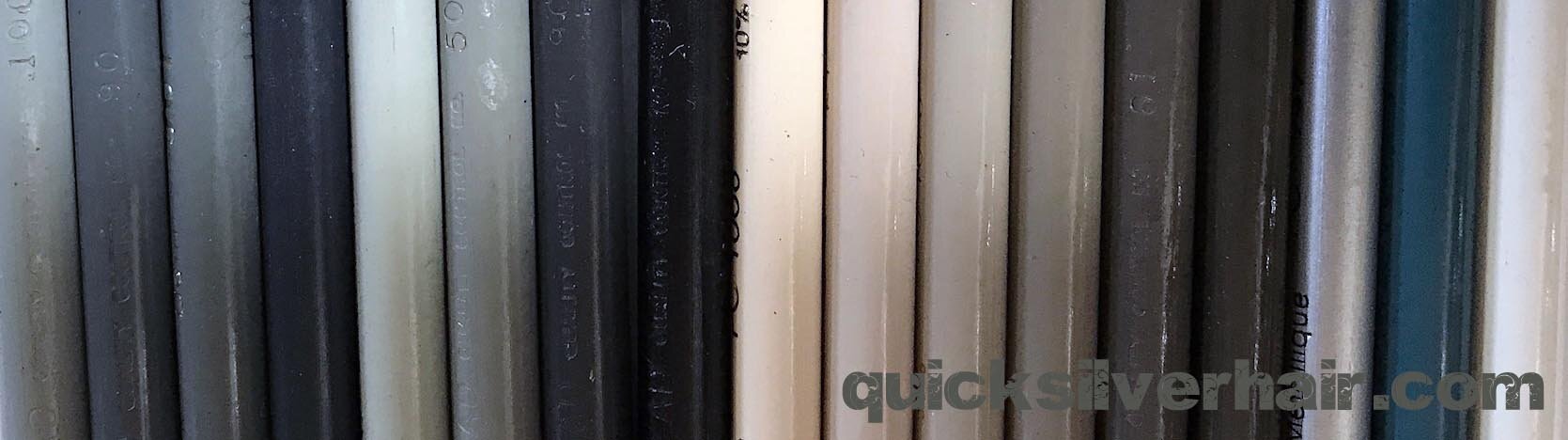
This is all to say that your hair color may not be pure white to start with; it will largely depend on what your hair color was before you started graying. Trying to achieve snow-white hair may be as futile as covering the gray was. There is help, though, for yellowing caused by external factors.
This post is updated regularly with the latest information and solutions I learn: Last update: 10.8.2026
Disclosure: The product links in this post may be affiliate links. As an Affiliate, I earn from qualifying purchases, at no additional cost to you. Read my Terms and Conditions Page to learn more.
Click any product name I mention or the photo and the link will take you to the product page for purchase.
The Top Causes of Yellowing Gray Hair
External causes of yellowing gray hair:
1. Sun: UV light breaks down an amino acid in keratin called tryptophan, and it turns into visibly yellow compounds inside the hair fiber. Pigmented hair has melanin to absorb some of that UV. White hair has almost none, so nothing intercepts it. Sun damage, unfortunately, cannot be removed or undone.
Solutions: Wear a hat when in the sun and protect your hair and your scalp from sun damage. Use an SPF Spray for your scalp when you cannot wear a hat. Use a UV-protective hair product to protect the hair itself. Violet and purple shampoos can help with the permanent damage, because they deposit that opposite color from yellow helping to neutralize it. Once you wash again, though, that purple pigment is gone.
Health Care Notice: Scalp melanomas account for some of the deadliest forms of skin cancer, and a UPF-rated hat also protects against this. For more in depth information check out my full post: Sun Damage on Gray Hair: The Ultimate Guide to Preventing It & Fixing It
2. Water: Water that contains iron or copper, often from wells or older plumbing, can deposit those metals in the hair and trigger free radical damage. Chlorine from pools, and from high-chlorine city water, oxidizes keratin directly.
Solutions: Some minerals can be removed from the hair with specialty mineral or well water clarifying shampoos (just make sure they are safe for your white or gray hair). A shower filter can reduce chlorine and some metals before they reach your hair, but it will not soften your water. Avoid filters that contain vitamin C. Specialty swimmer’s shampoos will help with swimmer’s yellowing. Wash your hair less. Many of us shampoo every day, and in most cases this is not necessary.
3. Hot Irons and Hair Dryers: Not everyone with gray hair will have trouble with irons and dryers causing gray hair to turn yellow, but when it happens it is most often permanent. Heat damage can be caused by actually singeing the hair, reactions to minerals in your water, or ingredients in your hair products reacting to the heat. Heat styling also drives the same tryptophan breakdown as UV, so the two compound each other. Heat on damp hair is the worst offender, because trapped water turns to steam and fractures the hair from the inside.
Solutions: Lower the temperature on your iron or dryer to the lowest needed to obtain your styles. Towel dry your hair with a smooth tee-shirt towel. It prevents frizz, removes water rapidly, and lowers your drying time. Switch your products out and see if one of them might have been the cause. Or ditch the hot irons all together, if you are having a serious issue.
Most hair dryers stay well below flat iron temperatures, but I would still use the lowest setting you can and keep the dryer moving. Always use a heat protectant before any heat tool touches your hair. Keep direct heat tools like flat irons and curling wands at 350°F or below, and make sure your hair is completely dry before they touch it. For more in depth information check out my full post: Heat Damage on Gray Hair: The Ultimate Guide to Preventing It & Fixing It
4. Air Pollution: Where you work (places that allow smoking, bars, restaurants, factories, etc.) and your air quality where you live may influence the deposits of yellowing on your gray hair. Airborne oxidants like ozone, exhaust, and smoke can also generate free radicals inside the hair.
Solutions: To deyellow, use a clarifying shampoo regularly, as often as once a week if your air quality is poor, and follow with conditioner. Keeping your hair moisturized will also help prevent yellowing in these situations; dry hair is more prone to the elements.
5. Smoking: Smoke has tar in it, among other things, and it will discolor your hair, skin, nails, and clothing.
Solutions: Obviously, if you smoke, stopping smoking is the ideal solution. I do have a couple of customers that found the QuickSilverHair Clay to remove much of the dinginess created by smoking.
6. Hair Products: Check your products, if they have heavy silicones, staining oils, even fragrances, or added dyes, those can cause some of the discolorations. Some silicones bind to the hair and with repeated use will build up over time. That build up will alter the reflective colors in your hair and may become dingy, dull, or yellowy.
Solutions: Read your labels. Make sure your product is not a really dark or yellow color, and watch for staining oils and added dyes. A shorter formula leaves fewer places for a staining ingredient to hide, but it is the ingredients, not the count, that matter. If you prefer salon-based products, check the ingredients and try for silicone-free brands or ones that use water-soluble silicones. A gentle sulfate-free shampoo is a good everyday choice, and a stronger clarifier works well occasionally.
7. Hair Accessories: Believe it or not, your hair ties, leather bun wraps, and headbands could be dyed with chemical dyes that when you sweat or put your hair up wet, will then transfer that color to your hair.
Solutions: Hand wash your hair accessories with warm water and gentle shampoo regularly. If you notice a particular accessory is bleeding dye into your wash water…ditch it.
8. Home and Salon Remedies: A word of caution: Sadly, not all products are great for our silver hair. I have always promised to recommend products that are safe for silver hair and that also means updating you when something changes.
In this video, I go over vitamin C, Malibu C Crystals, and Hard Water Wellness Hair Remedy, and I share why I stopped recommending them. These products used on white hair in salon or at home can potentially lead to a chemical reaction on your hair that leaves your hair stained anything from pink to orange to a burnt caramel color. I have heard terrible stories about Malibu C crystals used in salon not only discoloring white and gray hair but severely drying hair out, causing breakage, and permanent damage. This discoloration also holds true for hydrogen peroxide (any kind, home use or salon products). Over time hydrogen peroxide will dry your hair out, open the cuticle, and cause discolorations. On hair that is already yellowing from oxidation, it adds more oxidative damage. To learn more check out my videos on Bleaching Gray Hair and Hydrogen Peroxide.
9. Chemical Processing: Any chemical process like Brazilian Blowouts, Keratin Treatments, Permanent Waves or Relaxers, and bleach has the potential to discolor your silvers and cause yellowing. These processes cause oxidative stress which changes the color of the hair, permanently. This cannot be undone; it can only be toned to neutralize the discoloration.
Solutions: There are some products designed for gray hair with purple toners. Talk to your stylist about getting the right products.
Internal causes of gray hair turning yellow (medications, supplements, etc)
Internal influences that cause you to go gray can also cause your hair to go darker again. There are no solutions that will deyellow your gray hair if this is the case, but I felt they were worth mentioning before you chase around looking for ways to enhance your gray hair.
1. Medications: Some medications can change hair color. The antimalarial chloroquine is known to lighten hair, and some newer cancer immunotherapy drugs have been reported to bring pigment back to gray hair. Chemotherapy can also change the color and texture of hair that regrows. Some people report that thyroid and hormone medications changed their hair color too.
Solutions: Limited, it may be that you have to wait out your treatment before you know what is going to happen with your hair color. Never stop a prescribed medication because of your hair color. Talk with your prescriber if you have concerns.
2. Topical Treatments and Medicated Shampoos: While used externally, these are usually treating an internal issue from the outside in. Minoxidil, sold under brand names like Rogaine, comes as a shampoo, a foam, and a liquid, and it has been reported to turn hair yellow in some users. Salicylic acid, a common ingredient in dandruff shampoo, can turn silver hair pink. One possible explanation is that it forms a pink complex with iron, so it may show up most if you have iron in your water.
Solutions: This is a pick-your-battle problem. If the treatment is working for you, you may decide the trade-off is worth it. Talk with your prescriber before changing a treatment, and apply it to the scalp only. If you can spot treat your scalp, that limits staining on the rest of your hair.
3. Supplements: Some people report that supplements, among them biotin, pantothenic acid, iron, and PABA, changed their gray hair. The evidence is limited. A systematic review found only low-quality evidence that B-complex vitamins can darken gray hair. Deficiencies in B12, iron, and copper have been linked to premature graying, so correcting a true deficiency may restore some pigment.
Solutions: Don’t expect a supplement to change your silver, and talk with your doctor before starting or stopping one. If you do notice a change, you can embrace what the nutrition is doing for your melanin levels.
Aging, hormonal levels, illness, vitamin imbalances, genetics, stress, trauma, childbirth, menopause, and our environment all have an effect on hair thickness, density, texture, pattern, and color. Our hair changes as much as our lives do. Our hair even experiences oxidative stress the longer it gets. When we have been stressed or unwell and our hair turns white, once the stressors and the illness resolve our hair follicle can return to producing melanin (this could also look like yellowing).
The Only Clay Product Designed for Gray Hair
I created the QuickSilverHair products to help you get the best out of your hair. The clay will help if your yellowing comes from buildup, such as minerals, product residue, smoke, or pollution. It will not reverse sun or heat damage. I created the products with no bleaching agents or added dyes. On its own, the clay is white, so there is nothing in it that could further discolor your hair, which does happen for some with other popular deyellowing solutions.
The clay is meant to be extra cleansing…a step beyond clarifying. The oil is meant to lock in a bit of nourishing moisture for those of you with coarse dry gray or for the curly silver hair that craves moisture to retain healthy curls. The clay will add volume and your hair will feel very clean. Both products soften and brighten your silver hair.

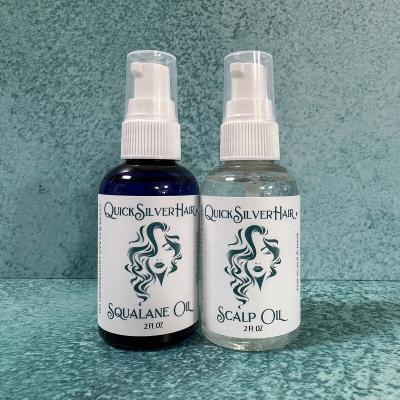
Enjoy both the QuickSilverHair Clay and Squalane Oil
-
Get the benefits of clarifying and hitting reset for your silvers with a clay mask.
-
Use the clay once or twice a month to help your silvers stay bright and feel their best.
-
The 100% clear and pure squalane oil is perfect for smoothing frizz, adding shine, and protecting your hair from the environment.
I hope you found this post educational and helpful.
Thank you for reading. Please feel free to share.
As always it is about so much more than the hair.

§
*Affiliate Links:
QuickSilverHair is a participant in the Amazon Services LLC Associates Program. Some of the links on this site are affiliate links to Amazon.com. I earn money as an Amazon Associate from qualifying purchases.
QuickSilverHair is an affiliate with several brands, I earn a small percentage from any qualifying purchases, at no additional cost to you.
© Copyright disclaimer: All content is written by Joli A. Campbell or Guests, that content belongs to QuickSilverHair or the respected author. All Images in this blog belong to the women in the picture, myself, or were used with purchase or commercial permissions. I have used their images and names with their permission. Please do not copy or redistribute anything from this site without further permission. Thank you.
QuickSilverHair.com content disclaimer: content is provided for general information purposes and should not be considered medical advice. Product information is not intended to diagnose, treat, cure or prevent any disease. The hair care content is also for educational use, I am not a hair care professional or dermatologist, please be careful with your hair and skin. If you have any hesitations or concerns speak to your doctor or hair care professional for their support before using any information you find on this site. Be well.
For full Affiliate and Copyright Details Please Read My Terms & Conditions Page